




The Biological Mechanics of Uncontrolled Cellular Growth and Cancer
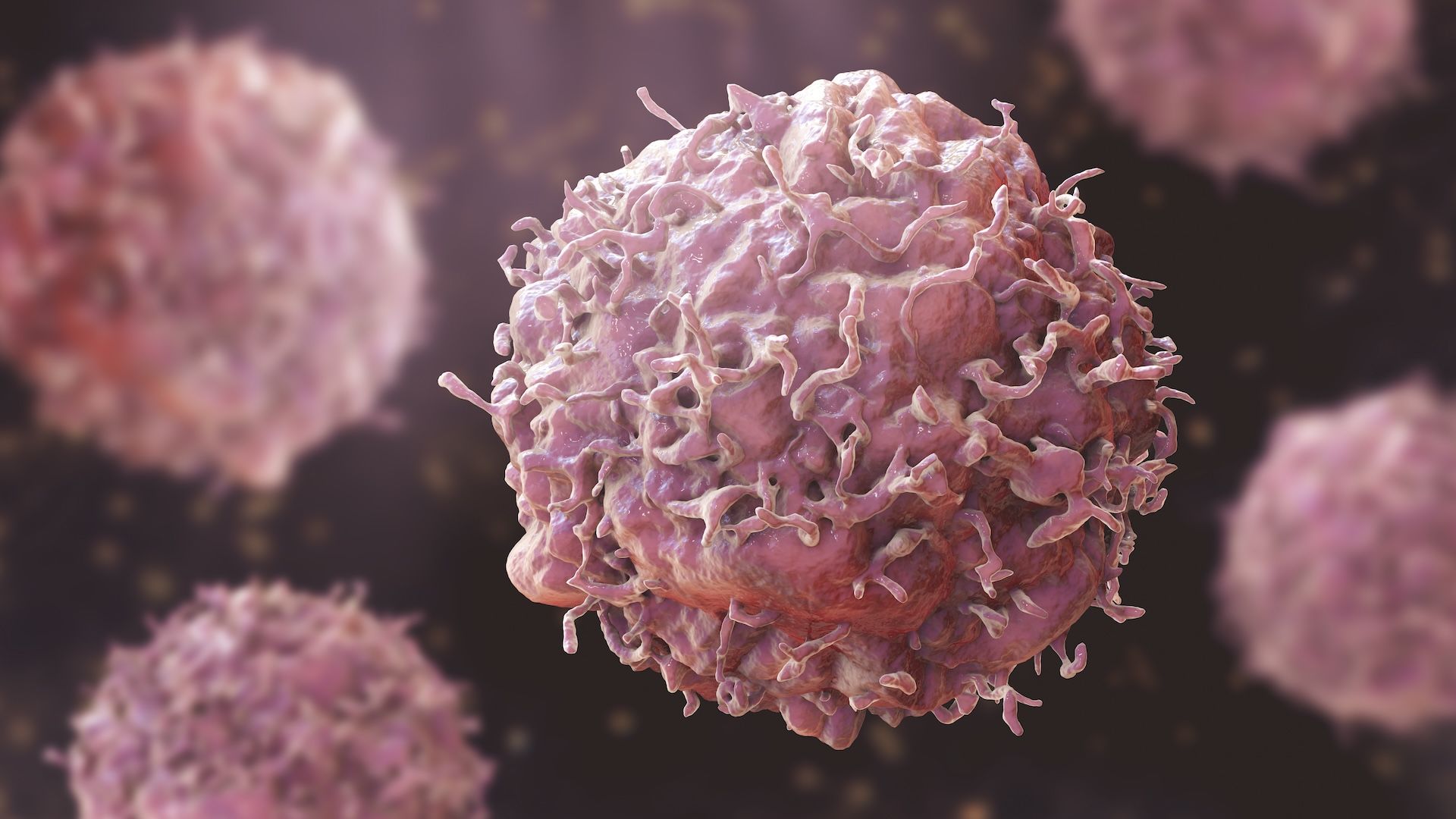
Human biology relies on an exquisitely regulated system of cellular division, growth, and death. Millions of cells divide every day to replace worn-out tissues, repair injuries, and maintain healthy organ function. However, when this tightly monitored cycle breaks down, cells begin to divide without normal checks and balances. This abnormal, uninhibited proliferation forms the core biological definition of Cancer, a complex disease process that can originate in virtually any tissue or organ in the human body.
To grasp the nature of this condition, one must look at what happens at the genetic and molecular level. Normal cells operate under strict biological signals that dictate when to grow, when to divide, and when to undergo programmed cell death—a process known as apoptosis. When genetic mutations disrupt these regulatory pathways, damaged cells survive when they should die, and new cells form when they are not needed. These extra cells can accumulate to form masses of tissue known as tumors, though some malignancies, such as those affecting the blood and lymphatic system, do not form solid masses.
Differentiating Tumor Types and Cellular Behaviors
Not all abnormal tissue growths represent a malignant condition. Tumors are broadly categorized into two distinct categories: benign and malignant. Benign tumors are non-cancerous. They do not invade surrounding tissues, nor do they spread to other parts of the body. While benign growths can sometimes cause health problems if they grow large enough to press on vital organs or nerves, they are typically removable via surgery and rarely recur.
Malignant tumors, on the other hand, possess invasive properties. The malignant cells penetrate neighboring healthy tissues, disrupting normal organ architecture and function. Furthermore, these rogue cells can break away from the primary tumor, enter the bloodstream or lymphatic system, and travel to distant sites in the body. This process of traveling and establishing secondary tumors in distant organs is known as metastasis, and it represents the primary challenge in managing advanced stages of the disease.
The Multi-Step Nature of Carcinogenesis
The transition from a normal, healthy cell to a malignant entity is rarely a single, sudden event. Instead, carcinogenesis is a multi-step process driven by the accumulation of successive genetic alterations over time. These mutations generally affect two main classes of genes:
- Oncogenes: These genes normally promote healthy cell growth and division. When mutated, they become hyperactive, driving constant, unregulated cell multiplication.
- Tumor Suppressor Genes: These genes normally act as cellular brakes, repairing damaged DNA or instructing compromised cells to die. When inactivated by mutation, cells with damaged DNA continue to divide unchecked.
A wide array of factors can trigger these biological mutations. Environmental exposures—such as ultraviolet radiation, chemical carcinogens like tobacco smoke, and workplace toxins—play a significant role. Internal factors, including inherited genetic predispositions, chronic hormonal imbalances, biological aging, and viral infections, also contribute to the risk profile. As DNA repair mechanisms naturally lose efficiency over a person’s lifespan, the statistical probability of accumulating harmful mutations increases, making age a primary risk factor.
Distinguishing the Primary Categories
Because the human body contains hundreds of distinct cell types, malignancies manifest in many different forms. Medical professionals classify them based on the specific type of tissue in which the abnormal growth originates:
- Carcinomas: The most common form, originating in the epithelial tissue that covers internal organ linings and external body surfaces, including the skin, lungs, breast, and colon.
- Sarcomas: Malignancies that develop in bone, cartilage, fat, muscle, blood vessels, or other connective and supportive tissues.
- Leukemias: Cancers of the blood-forming tissues, primarily originating in the bone marrow, where abnormal blood cells are produced in excess and crowd out healthy cells.
- Lymphomas and Myelomas: Malignancies that arise specifically within the cells of the immune and lymphatic systems.
Integrated Management and Advanced Clinical Protocols
Effectively addressing these conditions requires precise diagnostic techniques, thorough staging, and a multi-specialty medical approach. Medical centers like Liv Hospital bring together multidisciplinary teams—including medical oncologists, surgical specialists, radiation therapists, and pathologists—to evaluate each case through personalized treatment protocols. Incorporating state-of-the-art diagnostic imaging, molecular profiling, and advanced surgical platforms enables healthcare teams to pinpoint the exact biological characteristics of a tumor and target it effectively.
The landscape of oncology continues to evolve away from broad systemic treatments toward precision therapies that target specific genetic mutations within the tumor itself. By combining early detection methodologies with tailored therapeutic strategies, healthcare providers can disrupt the pathways driving abnormal cell proliferation, protecting healthy tissues while systematically eradicating malignant cells at the root level.


