


The Architecture of Regeneration: A Deep Dive into Stem Cell Therapies

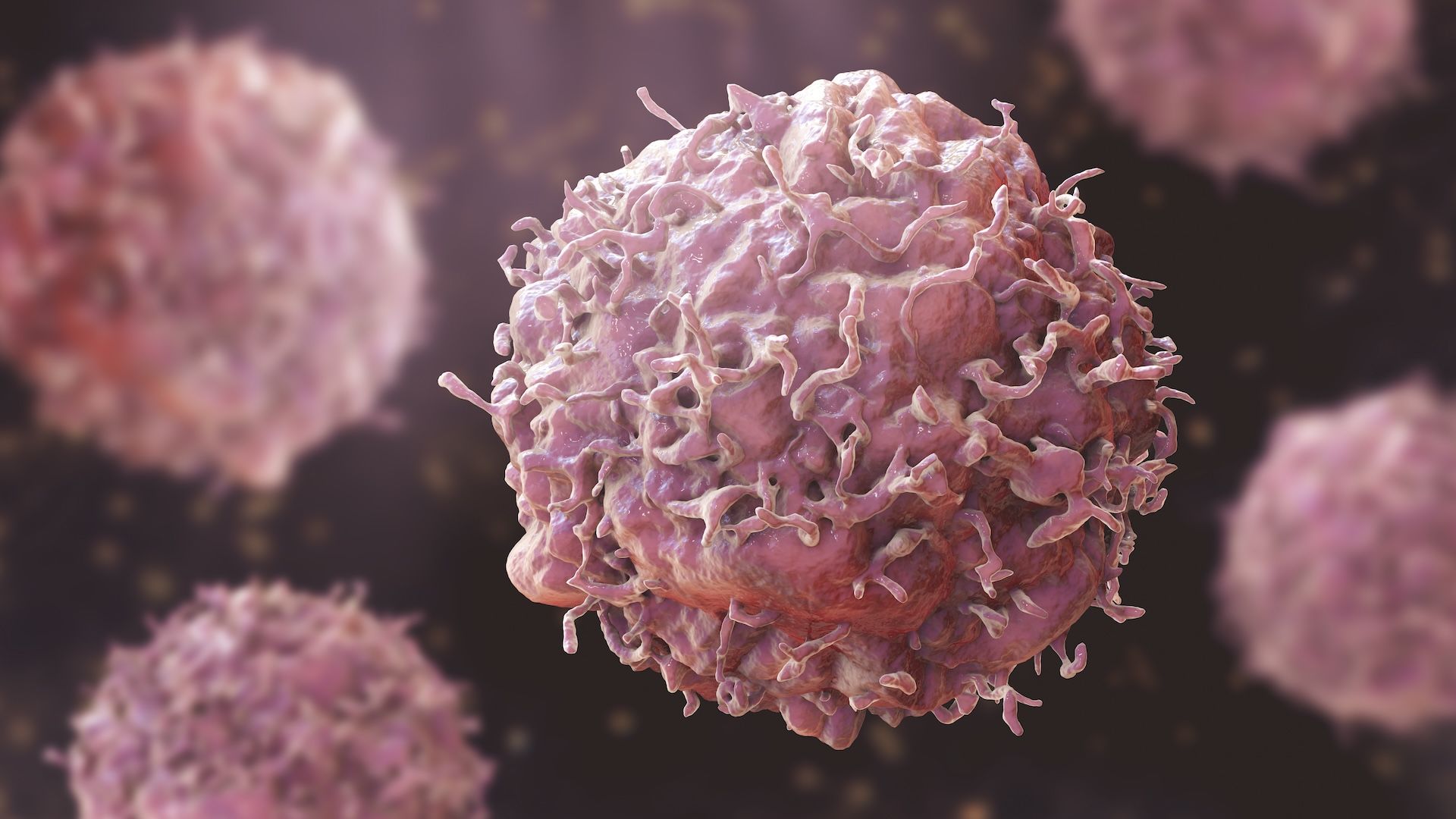
The human body is an intricate machine, capable of remarkable feats of self-repair and maintenance. At the very foundation of this regenerative capability lie unique biological building blocks. A Stem cell represents the raw material of the human anatomy, acting as the fundamental unit from which all other cells with specialized functions are generated. Under the right physiological conditions, either within the body or in a controlled laboratory environment, these entities divide to form more cells, creating a dynamic system of growth and healing that continues to captivate the global medical community.
To properly define these foundational elements, one must examine their two distinguishing biological characteristics. First, they possess the extraordinary ability to undergo self-renewal. This means they can divide and replicate multiple times over long periods while remaining entirely unspecialized. Second, they have the innate capacity for cellular differentiation. When the body sends specific biochemical signals, these unspecialized entities transform into tissue-specific cells, such as cardiac muscle cells that keep the heart beating, osteoblasts required for bone formation, or neural cells critical for brain function. No other naturally occurring cell in the human body holds this ability to generate entirely new cell types. This unique duality allows the organism to replenish damaged or aging tissues, thereby maintaining physiological equilibrium over a lifespan.
Medical science categorizes these biological building blocks based on their origin and their developmental versatility. Embryonic variants originate from early-stage development. At this specific phase, they are defined as pluripotent. This designation means they possess the capability to divide into more unspecialized cells or become almost any type of cell in the entire human body. This unparalleled developmental versatility gives them immense potential for regenerating or repairing diseased tissues and organs across various medical disciplines.
Alternatively, adult variants—also referred to as somatic stem cells—reside in minute numbers within most mature tissues, such as bone marrow, adipose (fat) tissue, and the liver. For many years, researchers believed these adult variants were strictly multipotent, meaning they could only create similar types of cells relative to their origin tissue. For instance, it was largely accepted that those residing in the bone marrow could only yield different types of blood cells. However, emerging evidence and advanced research methodologies suggest a broader degree of plasticity, indicating that adult variants might possess the capacity to create various distinct types of cells, vastly expanding their therapeutic viability.
In a monumental breakthrough for regenerative medicine, scientists also discovered induced pluripotent stem cells (iPSCs). By utilizing highly specialized genetic reprogramming techniques on mature, specialized adult cells—such as skin or blood cells—researchers can successfully return them to an embryonic-like, pluripotent state. This innovation allows medical professionals to utilize a patient’s own genetic material to create highly versatile cells, significantly mitigating the immunological rejection issues that often accompany donor-based cellular therapies.
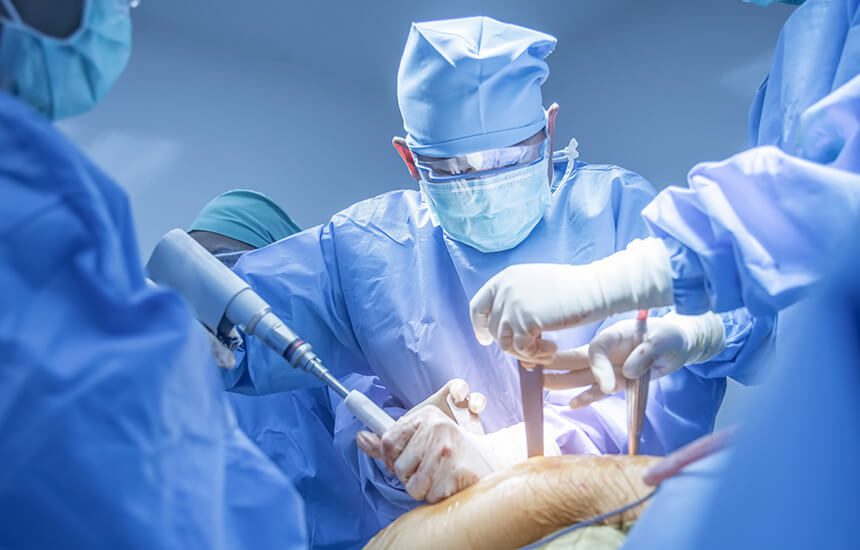
The translation of cellular biology from theoretical research to tangible medical applications requires highly sophisticated infrastructure. Leading medical institutions operate at the forefront of this transition, employing advanced laboratories and rigorous safety protocols. For example, Liv Hospital integrates state-of-the-art medical technology with highly specialized medical teams to safely manage the complexities of regenerative therapies. Such institutions ensure that every procedure, from cellular extraction to cultivation and reimplantation, adheres strictly to international medical standards. By fostering environments where specialized physicians, geneticists, and researchers collaborate, premium healthcare facilities are actively expanding the boundaries of what is possible in tissue regeneration, offering new avenues of hope for conditions previously considered untreatable.
When utilized therapeutically, these cellular structures do much more than simply replace damaged tissue. They act as microscopic biochemical signaling centers. Upon reaching an area of acute injury or chronic inflammation, they release a complex array of growth factors, cytokines, and exosomes. This vital process, known as paracrine signaling, actively modulates the local immune system, reduces detrimental inflammation, and stimulates the patient’s existing native cells to initiate the healing process.
The landscape of healthcare is shifting from a model of merely managing chronic symptoms toward an era of true biological repair. As laboratory methodologies become increasingly sophisticated, the ability to harness and direct the body’s native regenerative engines continues to grow. The rigorous study of these fundamental biological units unlocks new therapeutic possibilities on a daily basis, paving the way for targeted treatments that address the root causes of tissue degeneration and systemic disease. The future of medicine lies intricately woven into the microscopic potential of these extraordinary cells, promising a new frontier of healing and physiological restoration.


