



The Structural Framework and Innovations in Orthopedic
The human musculoskeletal system is a complex architecture of bones, joints, ligaments, tendons, and muscles that enables movement, protects internal organs, and provides physical structure. Maintaining the integrity of this framework is essential for overall quality of life, physical autonomy, and daily functionality. When injuries, degenerative conditions, or congenital disorders affect these interconnected components, the specialized medical field of Orthopedic medicine provides the necessary interventions to restore function and alleviate chronic pain.
The Dynamics of the Musculoskeletal Network
Every physical motion—from walking and bending to fine motor tasks—relies on the seamless interaction between mechanical components:
- Bones: The rigid structural foundation that supports the body, protects vital organs, and stores essential minerals.
- Joints: The critical junctions where bones meet, lined with articular cartilage to ensure smooth, frictionless movement.
- Ligaments: Tough, fibrous connective tissue bands that bind bones together, providing joint stability.
- Tendons: High-tensile fibrous cords that attach muscle to bone, transmitting mechanical force to generate movement.
- Muscles: The biological engines that contract and expand to pull on tendons and articulate bones.
When any part of this system experiences wear, trauma, or structural misalignment, the resulting pain and functional loss can significantly alter an individual’s lifestyle.
Common Conditions Affecting Physical Mobility
Musculoskeletal conditions span a wide range of acute and chronic health issues, affecting individuals of all age groups. Degenerative joint diseases, primarily osteoarthritis, represent a major portion of care demands. As articular cartilage wears away over time due to age, repetitive stress, or joint misalignment, bone-on-bone friction creates severe pain, stiffness, and reduced range of motion.
Traumatic injuries also constitute a significant portion of orthopedic encounters. Sports injuries, accidental falls, and high-impact vehicular collisions frequently result in bone fractures, joint dislocations, and soft-tissue tears. Conditions such as anterior cruciate ligament (ACL) tears, rotator cuff ruptures, and meniscus damage require precise medical assessment to determine whether non-surgical rehabilitation or surgical reconstruction is necessary.
Additionally, spinal pathologies—including herniated discs, spinal stenosis, and scoliosis—present unique challenges due to the proximity of the spinal cord and peripheral nerve roots. Structural abnormalities in the spine can cause not only localized back pain but also debilitating radicular symptoms, such as numbness, tingling, and weakness radiating down the limbs.
Diagnostic Precision and Conservative Interventions
Effective treatment begins with an accurate assessment. Medical professionals utilize advanced imaging technologies, such as high-resolution digital radiography, magnetic resonance imaging (MRI), and computed tomography (CT) scans, to visualize structural defects, bone density, and soft-tissue integrity. Diagnostic ultrasound also plays an increasingly valuable role in evaluating real-time tendon and muscle movement.
Prior to considering invasive options, specialists typically emphasize conservative management strategies. Non-surgical pathways include targeted physical therapy to strengthen supporting muscle groups, biological injections to manage localized inflammation, and biomechanical adjustments using custom orthotics or bracing. Lifestyle modifications, weight management, and ergonomic adaptations also play a vital role in slowing disease progression and relieving mechanical stress on weight-bearing joints.
Advanced Surgical Approaches and Rehabilitation Protocols
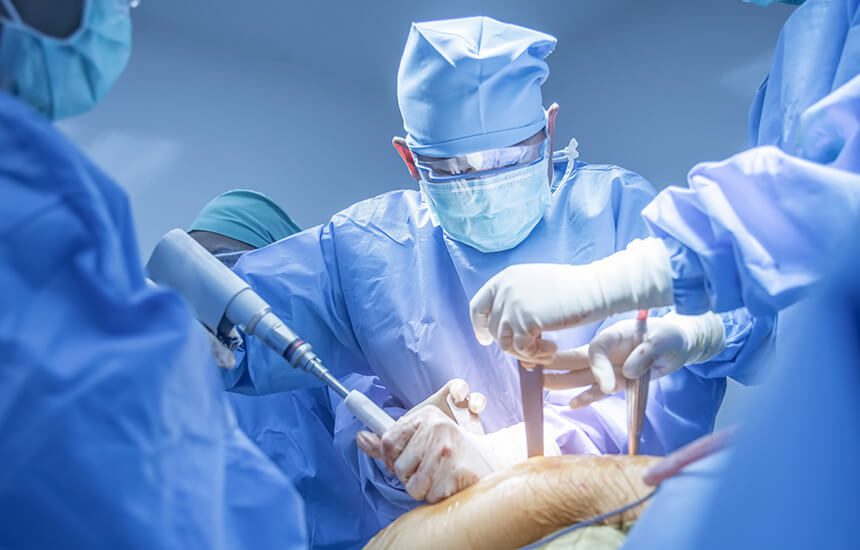
When conservative measures no longer provide adequate relief or when structural damage is severe, surgical intervention becomes the appropriate path forward. Surgical techniques have evolved dramatically, shifting from open procedures toward minimally invasive solutions. Arthroscopic surgery allows surgeons to repair torn ligaments, remove loose cartilage fragments, and smooth joint surfaces using tiny incisions, specialized cameras, and micro-instruments, drastically reducing postoperative recovery times and tissue trauma.
For end-stage joint degeneration, total joint replacement—particularly of the hip and knee—remains one of the most successful surgical procedures. Modern joint implants utilize advanced materials like durable ceramic composites, highly cross-linked polyethylene, and biocompatible titanium alloys to recreate natural joint articulation and provide long-lasting mobility.
Institutions focused on specialized medical care, such as Liv Hospital, integrate surgical expertise with advanced technological infrastructure to achieve optimal outcomes. By utilizing robotic-assisted surgical platforms, computer-guided navigation systems, and personalized physical rehabilitation plans, multidisciplinary medical teams ensure that joint replacements and complex spinal reconstructions are executed with maximum precision.
The ultimate objective of musculoskeletal medicine goes beyond mere pain reduction; it aims to restore physical independence and long-term functional health. Through early intervention, personalized therapy, and state-of-the-art biological and surgical treatments, patients can maintain active lifestyles and preserve physical mobility well into their later years.


