

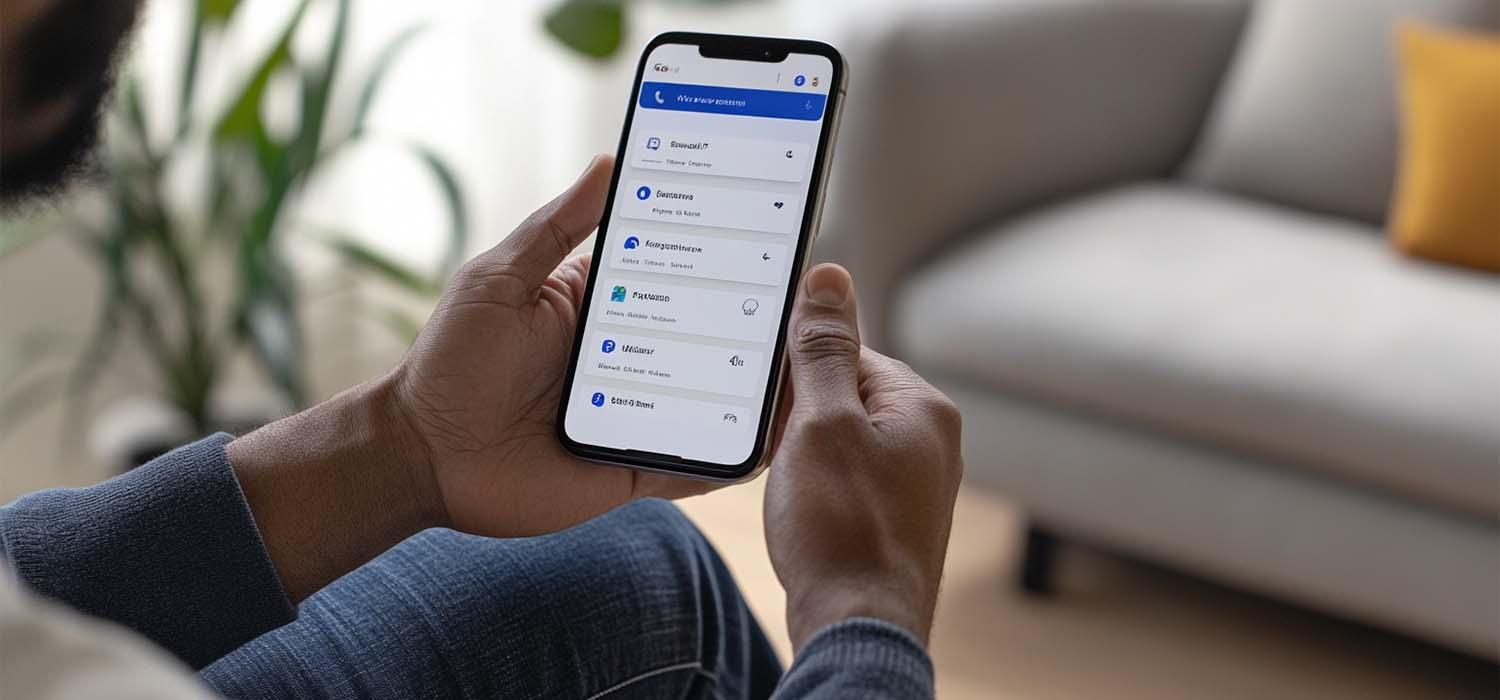


The Next Wave of Health Technology Is Already Here
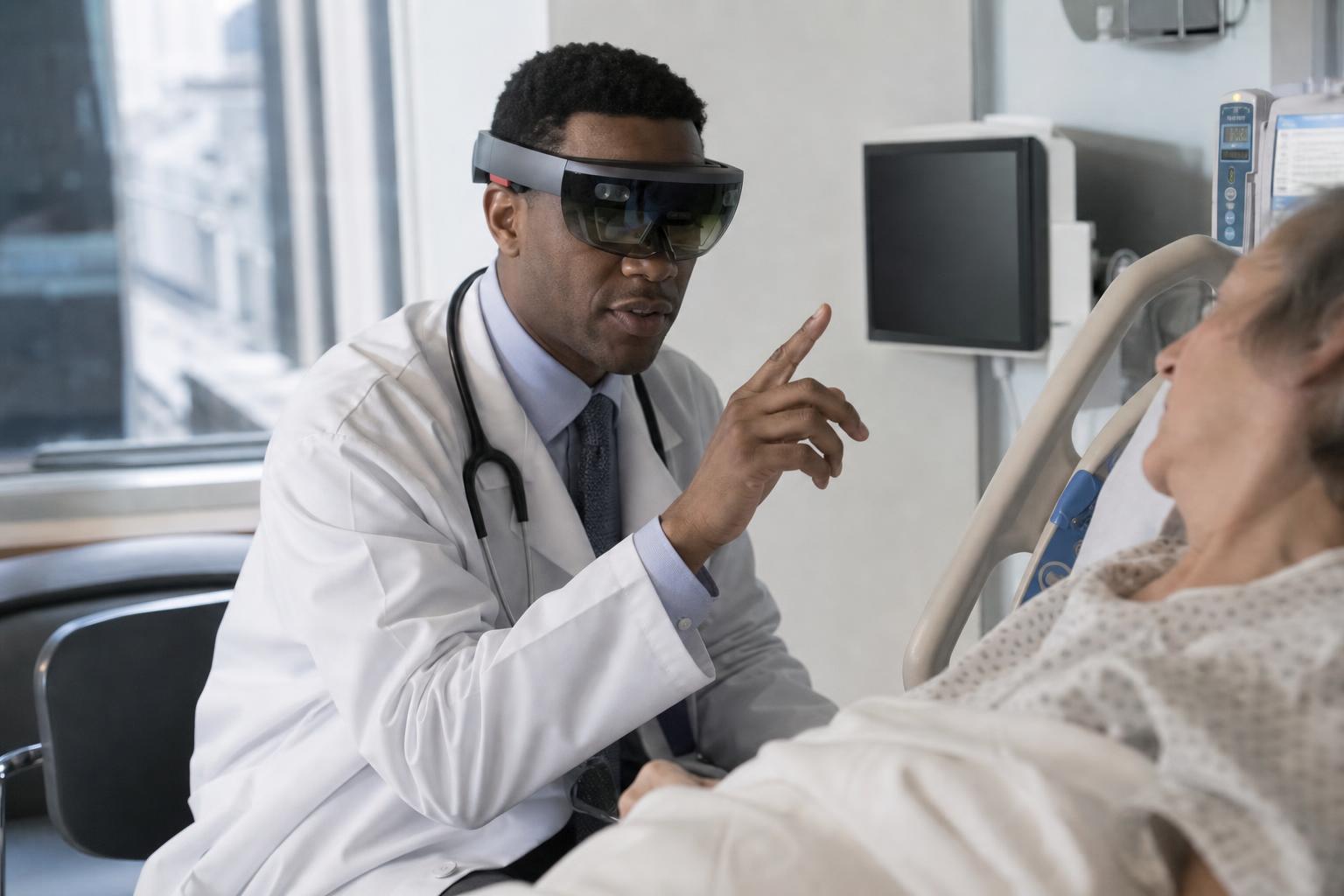
For years, wearable technology has been synonymous with fitness tracking. Counting steps, measuring heart rate, and monitoring sleep became part of everyday life, turning millions of people into active participants in their own health.
But the next generation of health technology is moving well beyond the wrist.
Artificial intelligence, wearable sensors, digital biomarkers, and remote monitoring are beginning to reshape how healthcare is delivered—not only inside hospitals but also at home. Rather than focusing solely on treating illness, these innovations aim to identify health risks earlier, personalize care, and help people stay healthier for longer.
The future of medicine may not begin in a clinic. It could begin with the data we generate every day.
Wearables Are Becoming Medical Tools
Smartwatches and fitness bands were once viewed primarily as lifestyle accessories.
Today, many wearable devices can monitor heart rhythm, blood oxygen levels, sleep patterns, physical activity, and recovery trends with increasing sophistication. While these devices are not designed to replace medical diagnosis, they can provide valuable information that encourages users to seek professional evaluation when something appears unusual.
For clinicians, this means moving beyond isolated measurements taken during occasional appointments toward a broader picture of a patient’s health over time.
Healthcare is becoming continuous rather than episodic.
AI Is Making Sense of Health Data
Collecting health information is only part of the equation.
The real challenge is interpreting it.
Artificial intelligence is increasingly being used to identify meaningful patterns within enormous volumes of data—patterns that may not be immediately visible to the human eye.
Researchers are exploring AI systems capable of helping predict disease progression, identifying individuals at higher risk of certain conditions, and supporting earlier clinical decision-making. Rather than replacing physicians, these tools are designed to provide additional insights that complement medical expertise.
The promise is not perfect prediction, but more informed care.
Remote Monitoring Is Redefining Patient Care
One of the most significant changes in healthcare is happening outside the hospital.
Patients recovering from surgery, managing chronic conditions, or undergoing long-term treatment can now, in some cases, be monitored remotely through connected devices.
Instead of waiting for the next appointment, healthcare teams may receive ongoing information about key health indicators, allowing them to respond more quickly if concerns arise.
For many patients, this approach offers greater convenience while reducing unnecessary hospital visits.
It also reflects a broader shift toward healthcare that is proactive rather than reactive.
The Rise of Digital Biomarkers
Traditional healthcare has relied on measurements such as blood tests, imaging, and physical examinations.
Today, researchers are also investigating digital biomarkers—health-related data collected through smartphones, wearable devices, and other connected technologies.
Changes in walking speed, sleep quality, voice patterns, typing behavior, or daily activity levels may one day help identify subtle changes in physical or cognitive health before noticeable symptoms appear.
While much of this research is still evolving, digital biomarkers represent an exciting area of innovation with the potential to complement conventional medical assessment.
Innovation Must Be Accompanied by Trust
As healthcare becomes increasingly data-driven, questions surrounding privacy, transparency, and ethical use of personal health information remain central.
Patients expect their data to be protected.
Healthcare professionals expect AI systems to be reliable and clinically validated.
Technology companies are expected to design solutions that support—not complicate—the relationship between patients and providers.
Innovation alone is not enough.
Trust will determine whether these technologies become part of everyday healthcare.
A Future Built on Partnership
The most compelling vision of health technology is not one where machines replace doctors.
It is one where technology enables healthcare professionals to spend less time managing information and more time caring for people.
AI may detect patterns.
Wearables may collect continuous data.
Digital platforms may improve communication.
But empathy, clinical judgment, and shared decision-making remain irreplaceable.
As health technology continues to evolve, its greatest success will not be measured by the sophistication of the devices themselves.
It will be measured by whether they help people live healthier, longer, and more informed lives.


