
Comprehensive Guide to Geriatric Arthritis

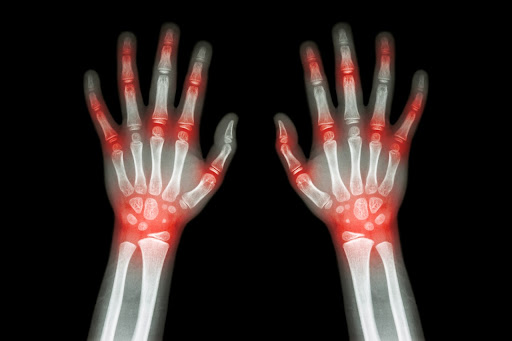
Arthritis is one of the most prevalent chronic conditions affecting older adults, often dictating the pace of daily life. For seniors, persistent joint pain, stiffness, and swelling can lead to a gradual decline in mobility, independence, and overall quality of life. However, accepting arthritis pain as an inevitable consequence of aging is a misconception.
With specialized geriatric care, arthritis can be effectively managed. Treatment in older age requires a nuanced approach that moves beyond simple pain relief to focus on preserving function and ensuring safe, holistic care.
The Unique Challenge of Geriatric Arthritis Care
Treating arthritis in a 75-year-old patient is significantly different from treating it in a 40-year-old. Geriatric medicine recognizes that older adults often face “multimorbidity”—the presence of two or more chronic conditions simultaneously, such as heart disease, diabetes, or hypertension.
Therefore, an effective arthritis treatment plan must consider how arthritis medications interact with drugs taken for other conditions. The aging body also metabolizes medications differently, making seniors more susceptible to side effects. A specialized geriatric approach prioritizes “starting low and going slow” with medications and heavily emphasizes non-pharmacological interventions to minimize risk.
Pillars of Effective Treatment and Care
A successful strategy for managing geriatric arthritis is rarely one-dimensional. It involves a combination of medical management, physical therapies, and lifestyle adaptations.
1. Strategic Medical Management
While pain relief is vital, the choice of medication must be careful.
- Analgesics and Anti-inflammatories: Topical creams are often a first line of defense as they have fewer systemic side effects than oral NSAIDs (nonsteroidal anti-inflammatory drugs), which require careful monitoring for kidney and stomach health in seniors.
- Injections: Corticosteroid injections can offer temporary, rapid relief for severe flares in specific joints like the knee or shoulder. Hyaluronic acid injections may help lubricate osteoarthritic joints.
- Surgical Consultation: For end-stage arthritis where conservative treatments fail and quality of life is severely compromised, joint replacement surgery remains a viable and often transformative option, provided the patient’s overall health allows for it.
2. Rehabilitation and Physical Therapy
“Motion is lotion” is a central tenet of arthritis care. While moving hurts initially, inactivity leads to weaker muscles, less joint support, and increased stiffness.
- Physical Therapy (PT): A geriatric physical therapist designs customized, low-impact exercise programs to strengthen the muscles surrounding the joints, effectively offloading pressure and improving stability without causing further damage.
- Occupational Therapy (OT): OT focuses on enabling daily living activities. Therapists can recommend assistive devices—like jar openers, raised toilet seats, or ergonomic utensils—to protect joints and maintain independence at home.
The Value of Specialized Geriatric Centers
Because the needs of older adults are complex, fragmented care among different specialists can lead to confusion and conflicting treatment plans. Integrated care models are essential for safety and efficacy.
Leading medical institutions recognize the need for this cohesive approach. At Liv Hospital, multidisciplinary teams—including geriatricians, rheumatologists, orthopedists, and therapists—collaborate closely. By offering specialized pathways for GERIATRICS Arthritis Treatment and Care, they ensure that every aspect of a senior’s health is considered, creating personalized treatment plans designed to maximize function and minimize risk.
Conclusion: Complements to Clinical Care
Ultimately, the goal of geriatric arthritis care is not just to treat a joint, but to improve the patient’s entire life. While medical and therapeutic interventions provide the foundation for managing pain, integrating positive lifestyle habits—such as anti-inflammatory nutrition, stress management, and appropriate daily movement— empowers older adults to proactively support their own health, helping them to live and feel better every day.