


Aesthetic Versatility of Zirconium Crowns Restorations
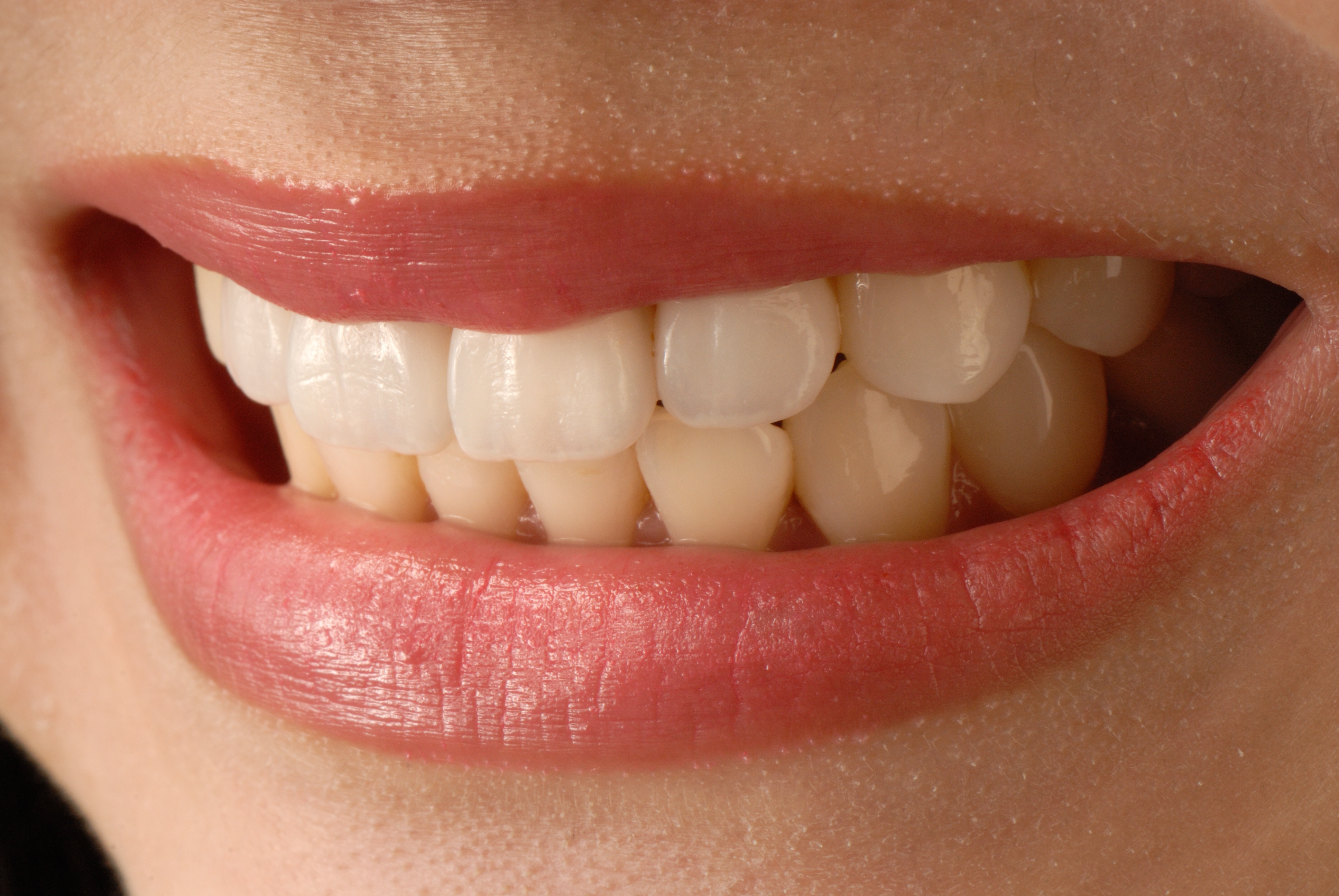
Fixed prosthodontics has changed a ton these past 20 years or so. Back in the day, we’d slap metal alloys under layers of porcelain to fix busted-up teeth. But cast metals? They’re pretty much history now, thanks to tough new crystals taking over. Zirconium crowns lead the pack, they pack huge strength with looks that actually blend right in, ditching all those old aesthetic headaches.
Crystallography and Phase Transformation
Why does this stuff hold up under brutal chewing forces? Dig into its crystal setup. Zirconia’s basically yttria-stabilized tetragonal zirconia polycrystal, or Y-TZP, a fancy metal oxide. What makes it special is this self-fix trick called transformation toughening.
Picture a tiny crack starting to spread from some heavy bite stress. The crystals right there flip from tetragonal to monoclinic, swelling up and squeezing the crack shut. Boom, no more failure. It soaks up forces that would crack old-school porcelain like glass.
The Evolution of Optical Dynamics
Those first zirconias were tanks, flexural strength over 1,200 MPa easy, but man, they looked chalky and blocked light. Great for back molars, sure, but no good up front where smiles show.
Now? Tech tweaks like tweaking yttria levels give us super-translucent versions. They make multilayer blocks that copy real tooth gradients from dentin on out. Dentists can even mill full single-piece crowns for the front now. Incisal edges let light through like naturals; the bottom stays solid to hide whatever’s underneath. Strength and shine, no trade-offs.
Strategic Clinical Indications
Picking zirconia boils down to how the patient’s bite works. Heavy grinders, bruxism folks who chew through ceramics at night, need it bad. It’s like armor in those cases.
Plus, the denser kinds hide stains perfectly. Root canals leave teeth dark? Implants with titanium posts? Metal cores? Zirconia blocks it all, no show-through on the surface.
Long-Span Frameworks and Cementation Protocols
Cementing’s a breeze too, not like finicky glass stuff needing perfect dry glue jobs. Zirconia takes regular cement, even in tricky gumline spots where moisture’s everywhere.
And for big bridges spanning missing teeth? Its rigidity shines. Chewing flexes those setups hard; a one-piece milled frame stays rock-solid over gaps, no snapping.
Digital Fabrication and Precision Milling
No old-school casting here—it’s all digital now. Labs like Dentprime run full CAD/CAM setups. Design on computer, then multi-axis mills chew a pre-sintered puck into shape. Starts oversized by 20%, then hits a hot furnace for sintering—particles fuse, it shrinks exact.
That precision means killer fit at the edges, blocking bacteria leaks. Tissues love it too, super smooth surface shrugs off plaque better than enamel sometimes. Gums hug it tight, no irritation like with metal edges. Zero metal means no shocks or allergies. Just brush, floss, and clean like your own teeth to keep it all humming.


