


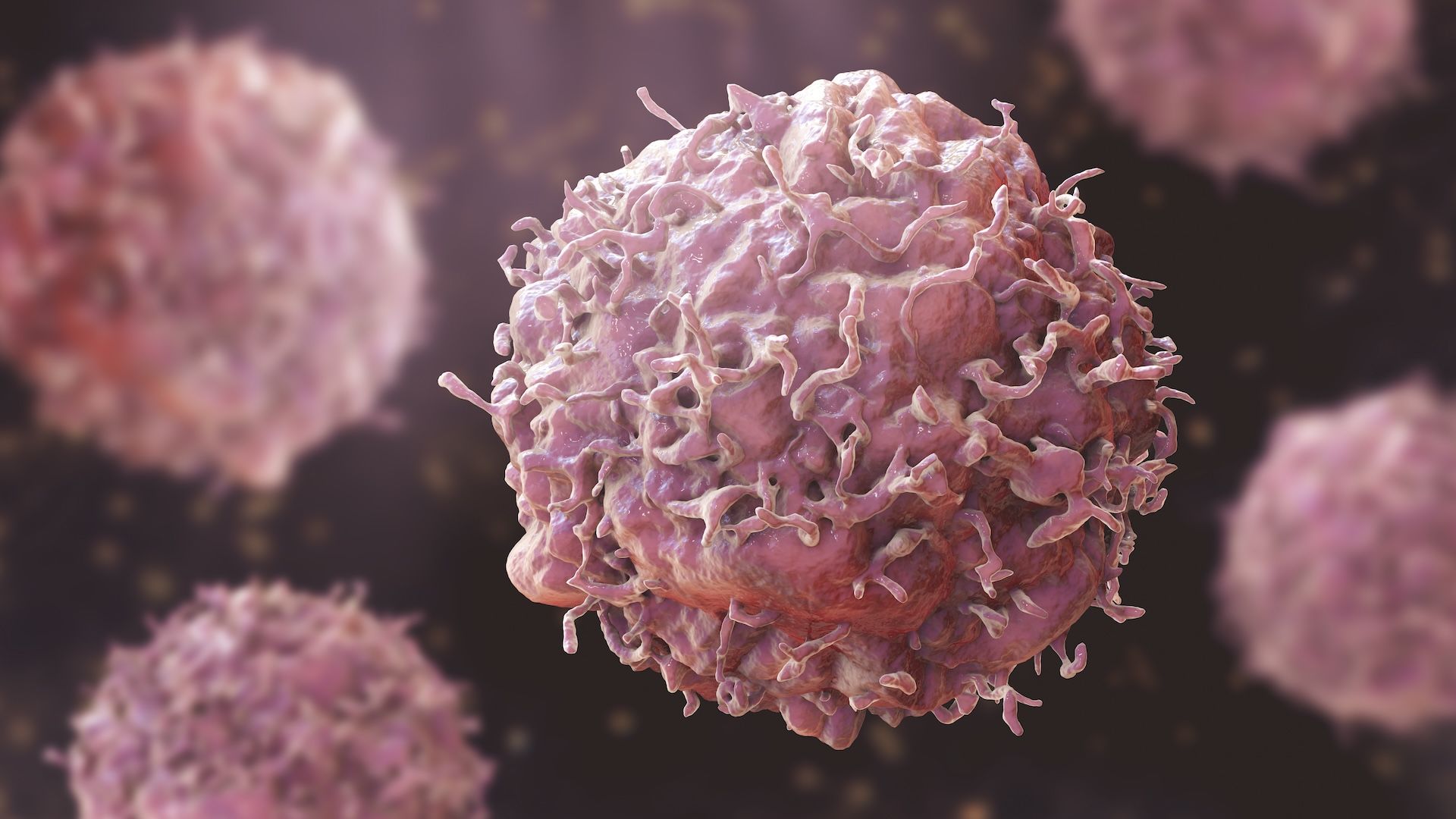


Stem Cell Myelogenous Leukemia Treatment and Procedures

Myelogenous leukemia is a serious blood cancer that affects the bone marrow and disrupts the body’s ability to produce healthy blood cells. For many patients, especially those with aggressive or advanced forms of the disease, stem cell therapy offers one of the most promising treatment approaches available today. Understanding the treatment process, available procedures, and what recovery looks like can help patients and families feel more prepared and informed.
At leading healthcare institutions such as Liv Hospital, stem cell-based leukemia treatments are delivered with advanced medical expertise, modern transplant technologies, and patient-centered care.
Understanding Myelogenous Leukemia
Myelogenous leukemia develops when abnormal cells begin to grow uncontrollably in the bone marrow. This prevents normal blood cells—such as red blood cells, white blood cells, and platelets—from forming properly. There are two main types:
- Acute Myelogenous Leukemia (AML): Fast-growing and requires urgent treatment
- Chronic Myelogenous Leukemia (CML): Progresses more slowly but may evolve into a more aggressive phase
Treatment strategies depend on the leukemia type, stage, patient age, and overall health.
The Role of Stem Cell Therapy in Leukemia Treatment
Stem cell transplantation is often recommended when chemotherapy alone is not enough to eliminate cancerous cells or when there is a high risk of relapse. The primary goal of stem cell therapy is to replace damaged or diseased bone marrow with healthy stem cells that can regenerate normal blood production.
Stem cell transplants are considered a powerful option because they allow doctors to use higher doses of chemotherapy or radiation to destroy leukemia cells before restoring the body’s blood-forming system.
Types of Stem Cell Transplants
1. Allogeneic Stem Cell Transplant
This is the most common transplant type for myelogenous leukemia. Stem cells are taken from a donor—often a sibling or a matched unrelated donor.
Benefits:
- Donor immune cells may help destroy remaining leukemia cells
- Higher long-term remission potential
Challenges:
- Risk of graft-versus-host disease (GVHD)
- Requires close monitoring and immune suppression
2. Autologous Stem Cell Transplant
In this procedure, the patient’s own stem cells are collected and stored before intensive therapy, then reintroduced afterward.
Advantages:
- Lower risk of immune complications
- Faster immune recovery
However, this approach is less common for AML and CML because of the possibility that leukemia cells could remain in the harvested stem cells.
Key Procedures in Stem Cell Leukemia Treatment
Stem cell treatment is a multi-step process that includes several carefully coordinated procedures.
Step 1: Pre-Transplant Evaluation
Before treatment begins, patients undergo comprehensive testing, including:
- Blood and bone marrow analysis
- Heart and lung function tests
- Donor compatibility screening
- Infection risk assessment
This ensures the patient is medically ready for transplant.
Step 2: Conditioning Therapy
Conditioning involves high-dose chemotherapy, sometimes combined with radiation therapy. Its purpose is to:
- Destroy leukemia cells
- Suppress the immune system to prevent rejection
- Prepare the bone marrow for new stem cells
Step 3: Stem Cell Infusion
The transplant itself is similar to a blood transfusion. Healthy stem cells are infused into the bloodstream, where they travel to the bone marrow and begin producing new blood cells.
This process is painless but requires close hospital monitoring.
Step 4: Engraftment and Recovery
Engraftment occurs when transplanted stem cells begin to function and produce new blood cells, usually within 2–4 weeks.
During this period, patients are at high risk of:
- Infection
- Bleeding
- Immune complications
Supportive care is essential, including antibiotics, transfusions, and nutritional support.
Post-Transplant Follow-Up and Long-Term Care
Even after successful transplantation, patients require long-term follow-up. Doctors monitor:
- Blood cell counts
- Signs of relapse
- Immune recovery
- GVHD symptoms
- Overall quality of life
Rehabilitation and emotional support are also important parts of recovery.
For a deeper look into specialized care pathways, you can explore Stem Cell Myelogenous Leukemia Treatment and Procedures for detailed medical insights and advanced transplant options.
Hope Through Modern Stem Cell Treatments
Stem cell transplantation has transformed outcomes for many myelogenous leukemia patients, offering the possibility of long-term remission and even cure in certain cases. With advancements in donor matching, transplant safety, and supportive care, patients today have more options and improved survival rates compared to previous decades.
Treatment is complex, but with expert guidance and specialized hospital care, patients can move forward with confidence and hope.


