



Decoding the Diagnosis: Myelogenous Leukemia and Stem Cell Therapy

Blood cancers are complex, and understanding the specific terminology is the first step toward navigating treatment. Myelogenous leukemia is one of the primary forms of leukemia, distinct in its origin and how it progresses. For patients and families facing this diagnosis, understanding the biological mechanics of the disease is crucial for making informed decisions about treatments like bone marrow transplants.
At Liv Hospital, we believe that patient empowerment starts with education. This article provides a foundational look at what myelogenous leukemia is and how stem cell therapies are utilized to fight it.
Defining Myelogenous Leukemia
To understand this condition, one must look at the bone marrow—the body’s blood cell factory. All blood cells start as stem cells. These stem cells divide into two primary lineages:
- Lymphoid: These become lymphocytes (a type of white blood cell).
- Myeloid: These become red blood cells, platelets, and other types of white blood cells (granulocytes and monocytes).
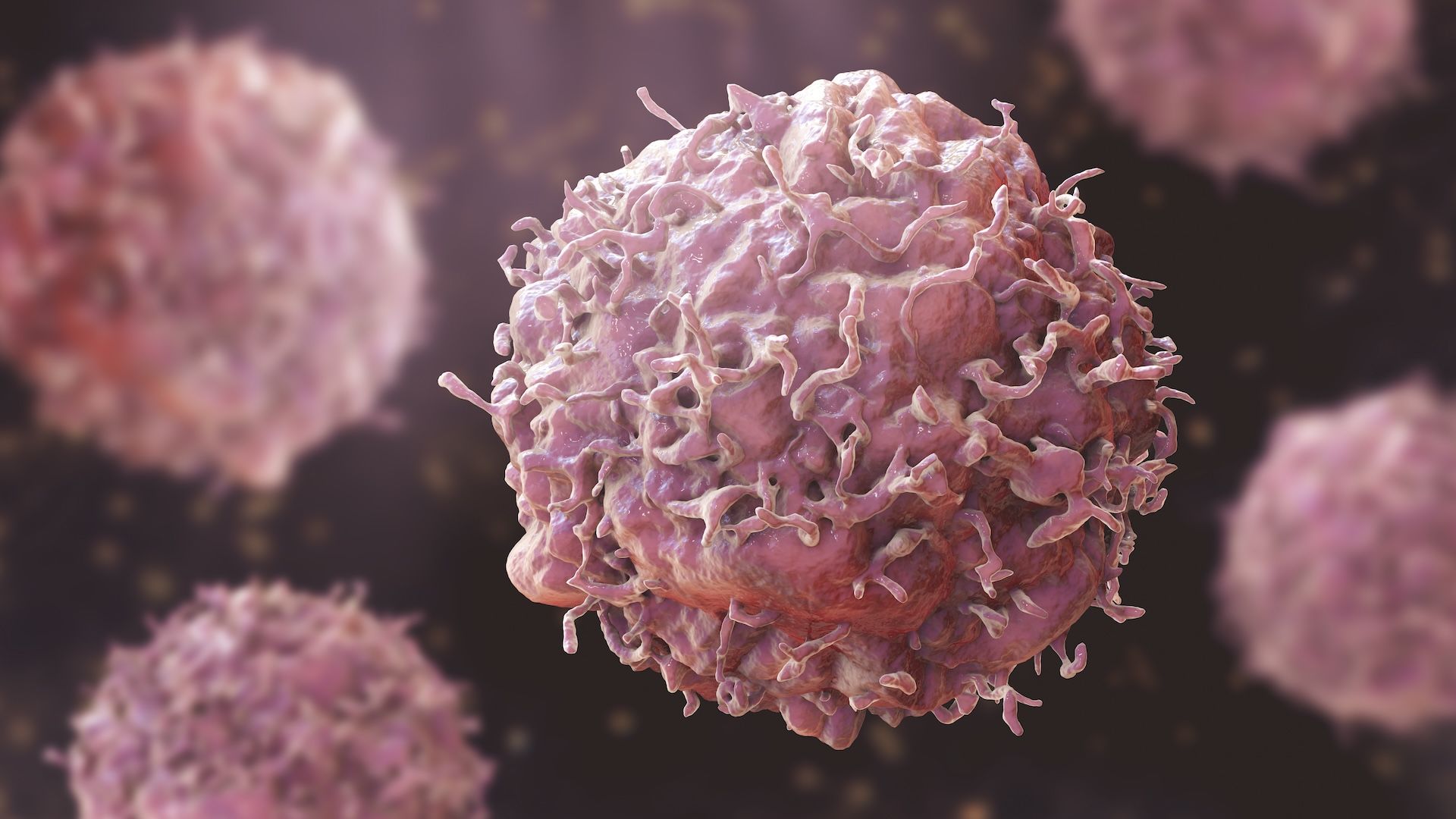
Myelogenous leukemia (also called myeloid, myelocytic, or granulocytic leukemia) is a cancer that occurs specifically in the myeloid line. Instead of developing into healthy, functioning blood cells, these cells become abnormal “blasts” that crowd out healthy cells in the marrow.
This condition is generally categorized into two main types based on how quickly it develops:
- Acute Myelogenous Leukemia (AML): This is aggressive and fast-growing. The abnormal cells crowd the bone marrow quickly, interfering with normal blood production.
- Chronic Myelogenous Leukemia (CML): This progresses more slowly. It is often associated with a specific genetic change called the Philadelphia chromosome.
The Role of Stem Cell Transplants
While chemotherapy is effective at killing leukemia cells, it often cannot distinguish between cancer cells and healthy bone marrow cells. This is where stem cell transplantation (often called a bone marrow transplant) becomes a critical treatment option.
The goal of a transplant is to replace the diseased marrow—which is producing the leukemia—with healthy stem cells from a donor (allogeneic transplant) or, in rarer cases, the patient’s own cells (autologous transplant). Once infused, these new stem cells travel to the bone marrow and begin the process of building a completely new, cancer-free immune and blood-forming system.
A Comprehensive Look at the Disease
Treatment protocols vary significantly depending on the subtype of the disease and patient history. Because the biology of myeloid cells is complex, the treatment approach must be highly tailored. For a deeper understanding of the biological mechanisms and the full scope of the disease, we encourage you to read our detailed resource on the Stem Cell Myelogenous Leukemia Overview and Definition. This page breaks down the pathophysiology and the specific medical criteria used to classify the different stages of the illness.


