


A Proactive Approach to Geriatric Arthritis Wellness and Prevention
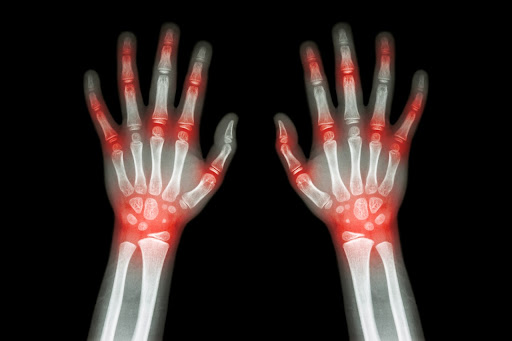
Arthritis is often viewed as an inevitable part of aging, but the severity of its impact is not set in stone. While wear and tear on joints is a natural process, there is a significant difference between normal age-related changes and debilitating disease. For older adults, focusing on wellness and preventative strategies is the most powerful tool available to maintain mobility, reduce pain, and preserve independence well into the golden years.
Prevention in geriatrics isn’t just about stopping a disease before it starts; it is about slowing progression and minimizing the daily burden of symptoms. By adopting a proactive approach to joint health, seniors can actively rewrite the narrative of their aging journey.
The Foundations of Joint Protection
Wellness for aging joints relies on reducing stress and building support. The mechanics are simple: the less strain placed on the cartilage and bone, and the stronger the supporting structures, the healthier the joint remains.
1. Weight Management
Maintaining a healthy weight is arguably the single most effective measure for preventing osteoarthritis in weight-bearing joints like the knees and hips. For every pound of body weight lost, there is a four-fold reduction in the load exerted on the knee during each step. For seniors, achieving a healthy weight not only alleviates pain but also slows the structural damage of arthritis.
2. “Motion is Medicine”
Sedentary behavior is a joint’s enemy. Synovial fluid, which lubricates the joints, requires movement to circulate effectively. However, the type of movement matters. High-impact activities can be damaging, whereas low-impact exercises—such as swimming, stationary cycling, or water aerobics—build muscular strength without pounding the joints. Strengthening the quadriceps, for example, acts as a shock absorber for the knee joint.
3. Anti-Inflammatory Nutrition
What we eat plays a direct role in how our joints feel. A diet rich in processed foods and sugars can trigger systemic inflammation, worsening arthritis symptoms. Conversely, a “wellness diet” rich in Omega-3 fatty acids (found in fatty fish like salmon), colorful vegetables, and antioxidants can help modulate inflammation naturally.
The Importance of Specialized Guidance
Preventing arthritis progression often requires more than just general advice; it demands a tailored strategy that considers a senior’s specific health profile. Generic exercise plans can sometimes lead to injury if not adapted for older bodies.
This is where specialized medical institutions play a pivotal role. At Liv Hospital, the focus extends beyond treating acute pain to cultivating long-term joint health. Their comprehensive approach involves personalized risk assessments and education, empowering patients to make informed decisions about their physical activity and diet.
Through dedicated programs for GERIATRICS Arthritis Wellness and Prevention, specialists help older adults identify early warning signs and implement lifestyle changes that can delay or even prevent the need for surgical interventions.
Conclusion: Embracing a Holistic Lifestyle
Ultimately, arthritis wellness is about looking at the whole person, not just the X-rays. It involves balancing physical activity with rest, managing stress, and nurturing the body with the right fuel. By prioritizing these holistic habits, you can enhance your overall vitality and live and feel your best, ensuring that your later years are defined by movement and freedom rather than limitation.


