
Iran on the Brink: Khamenei Blames “Foreign Enemies” as Rial Collapses and Protests Swell
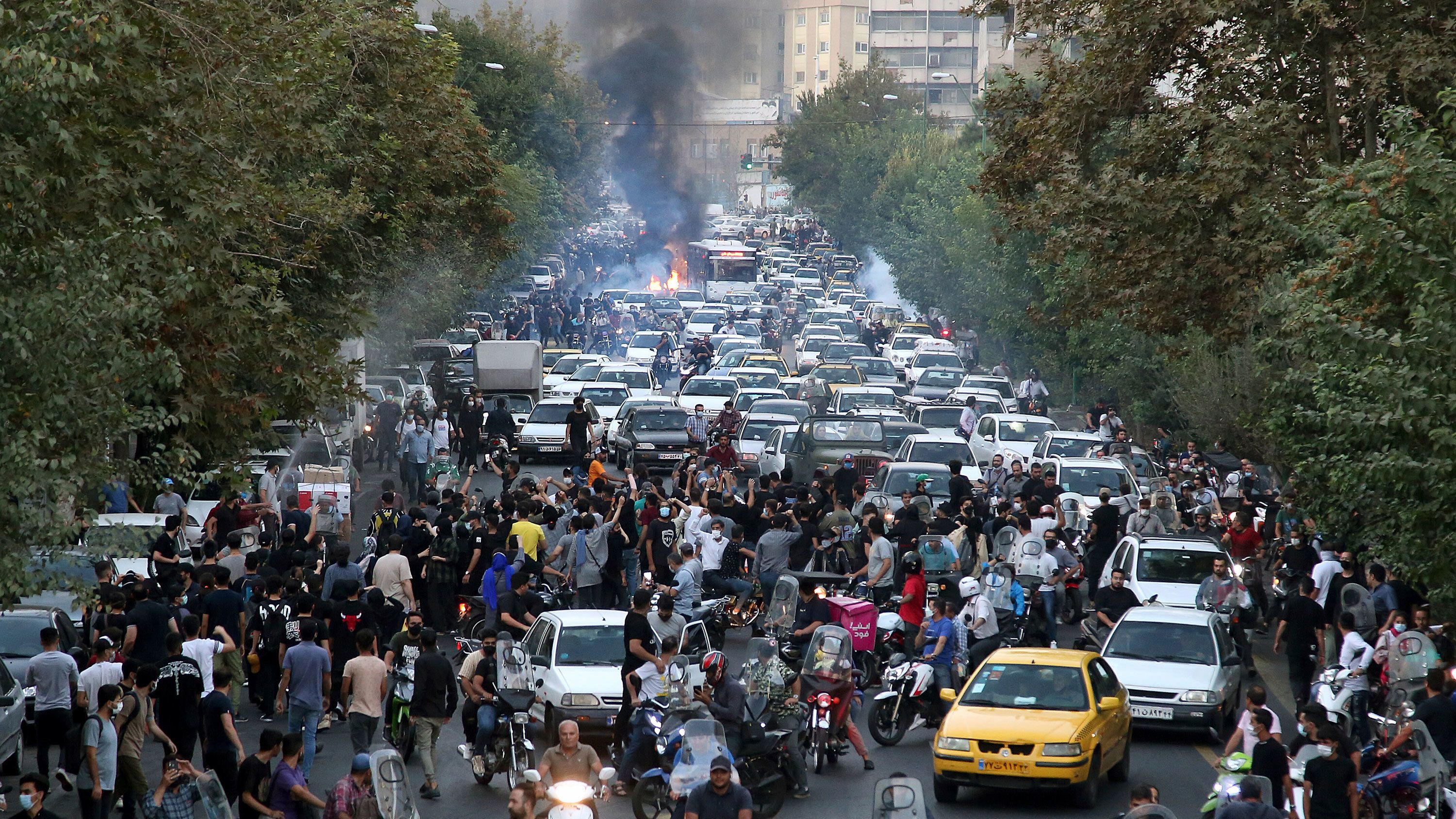
TEHRAN — The Islamic Republic of Iran is facing its most severe internal crisis in years as widespread protests entered their seventh consecutive day on Sunday. Triggered by a catastrophic collapse of the national currency, the rial, and fueled by deep-seated political grievances, demonstrations have spread to over 40 cities, including the holy city of Mashhad and the capital, Tehran.
In his first public address since the unrest began, Supreme Leader Ayatollah Ali Khamenei appeared on state television Sunday afternoon to denounce the protesters as “agents of foreign arrogance,” explicitly blaming the United States and Israel for orchestrating the chaos.
“The enemy is lurking, waiting for a moment to strike,” the 86-year-old leader said, his voice frail but defiant. “They use the economy as a weapon. They use the media as a weapon. But the Iranian nation will slap them in the face, just as we have done for forty years.”
The Economic Trigger
While political freedom remains a core demand, the immediate catalyst for this wave of unrest is economic desperation. In the last month alone, the Iranian rial has lost nearly 30% of its value against the US dollar, obliterating the savings of the middle class and sending the price of basic goods—bread, medicine, fuel—skyrocketing.
The collapse is attributed to a combination of factors: tightened sanctions re-imposed and strictly enforced by the Trump administration, mismanagement of state resources, and a banking sector riddled with “toxic assets.”
“People are hungry,” says Reza, a 28-year-old engineering student from Isfahan, speaking via an encrypted messaging app. “This isn’t just about the hijab or political reform anymore. It’s about survival. My father’s pension can’t buy a week’s worth of rice. We have nothing left to lose.”
Crackdown and Casualties
Human rights organizations report that the state’s response has been brutal. Internet blackouts have been imposed across the Kurdish regions and parts of Tehran, making information verification difficult. However, videos smuggling their way out of the country show Basij militia members firing live ammunition into crowds and using tear gas indiscriminately.
According to Amnesty International and local monitoring groups, at least 45 people have been killed since the protests began last Monday, with thousands more arrested. The IRGC (Islamic Revolutionary Guard Corps) has issued a stern warning, stating that “patience is running out” and threatening a “revolutionary crush” of the dissenters.
Regional Implications
The internal turmoil in Iran is creating dangerous ripples across the Middle East. Intelligence analysts warn that a weakened Iranian regime might lash out externally to distract from domestic failures.
There are already signs of this deflection. On Saturday, Iranian-backed proxies in Iraq and Syria ramped up drone attacks on US positions, and the Houthi movement in Yemen launched a fresh volley of missiles toward the Red Sea shipping lanes, claiming it was in “solidarity with the oppressed.”
Furthermore, the instability in Tehran complicates the precarious situation in Gaza and Lebanon. The new “Gaza Board of Peace,” recently unveiled by the White House, relies heavily on the cooperation of regional Arab powers like Saudi Arabia and the UAE. A chaotic Iran could disrupt these delicate negotiations, or conversely, push the Arab Gulf states closer to Israel in a defensive pact.
The “Foreign Hand” Narrative
Khamenei’s speech Sunday doubled down on the narrative that the protests are not organic. He cited the recent “maximum pressure” campaigns by Washington and covert operations by Mossad as the root causes.
“They want to turn Iran into Syria,” Khamenei warned. “They want to partition our beloved land.”
However, analysts suggest this rhetoric is losing its potency among the youth. ” The ‘foreign enemy’ card has been played too many times,” says Dr. Haleh Esfandiari, a scholar of Middle Eastern politics. “The generation on the streets knows that the corruption is homegrown. They see the children of the elite driving Porsches in North Tehran while they can’t afford bread. No amount of blaming America can fix that reality.”
As night falls over Tehran again, the chants of “Woman, Life, Freedom” and “Death to the Dictator” echo from the rooftops, signaling that this crisis is far from over. The world watches anxiously, knowing that the fate of the Iranian regime will inextricably shape the future of the entire Middle East.