NASA-ESA Rift? European Astronauts May Face Restrictions on Artemis Missions Over Budget Disputes
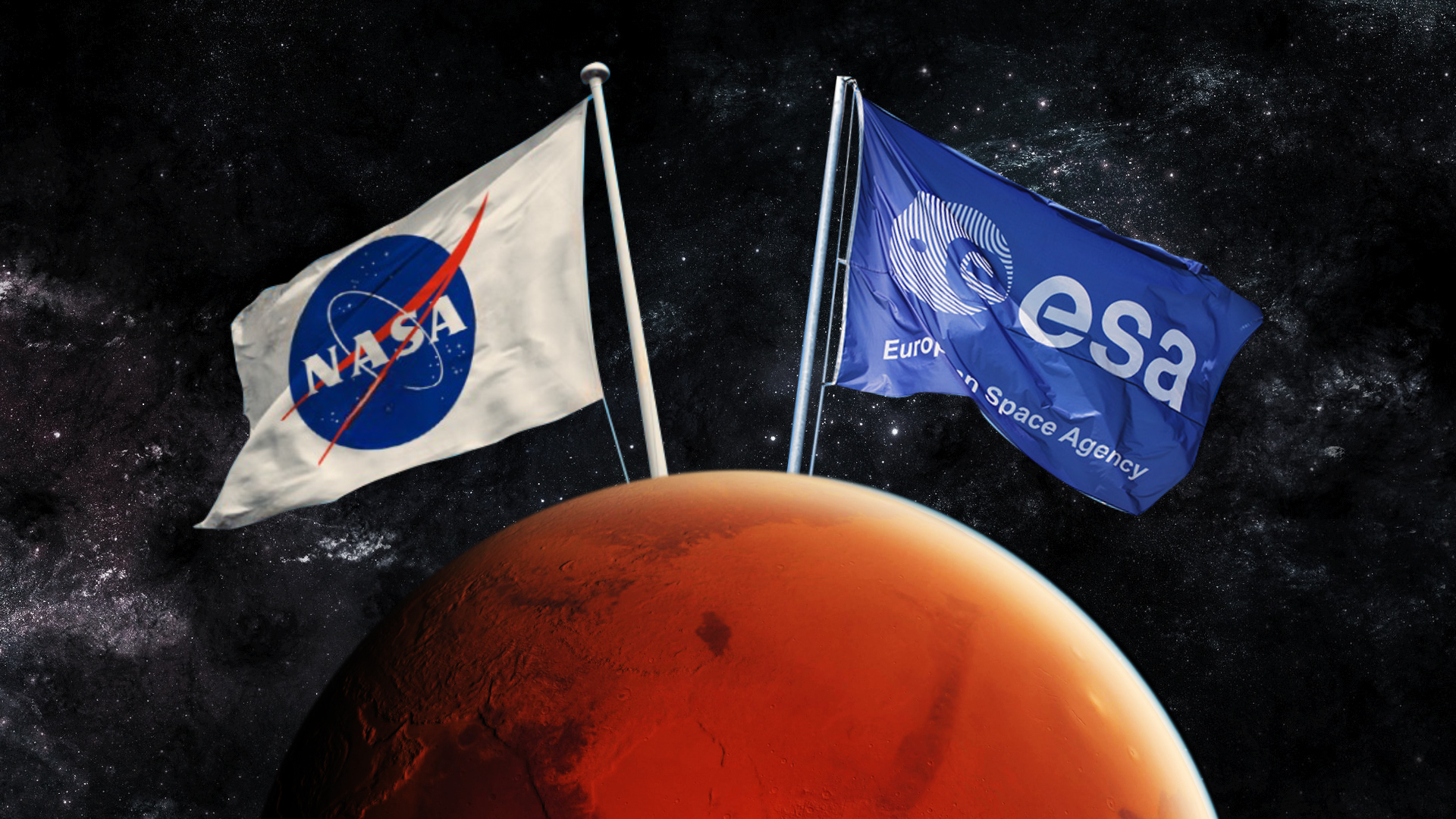
The spirit of international cooperation that has defined the Artemis program is showing cracks. Sources within NASA and the European Space Agency (ESA) have leaked details of a heated dispute regarding the crew manifest for the upcoming Artemis IV mission, scheduled for 2029.
The conflict stems from the new US administration’s “America First” approach to space exploration. The White House is reportedly pressuring NASA to reconsider the guaranteed seats promised to European astronauts for lunar landings, citing “budgetary imbalances” and a desire to prioritize American personnel for the historic return to the lunar surface.
Visual Description: A conceptual digital artwork showing the Artemis Lunar Gateway orbiting the Moon. In the foreground, an Orion capsule is docking. The image is split: on the left, the shiny US flag on the capsule is highlighted; on the right, the ESA logo on the service module looks slightly faded or shadowed, symbolizing the tension.
The “Pay-to-Play” Ultimatum
Under the existing Artemis Accords and Memorandums of Understanding, ESA provides the critical European Service Module (ESM) which powers the Orion spacecraft. In exchange, ESA secured three flight opportunities for European astronauts to the Lunar Gateway, and one coveted spot on the lunar surface.
However, leaked memos suggest that the new NASA Administrator, appointed by President Trump, has presented ESA Director General Josef Aschbacher with a new ultimatum: increase financial contributions to the Lunar Gateway significantly, or forfeit the surface landing seat.
“The argument from Washington is simple math,” says Dr. Laura Grego, a space policy analyst. “The cost of the Artemis program has ballooned to over $100 billion. The White House looks at the European contribution and says, ‘That’s nice, but it doesn’t buy you a footprint on the Moon.'”
Europe Pushes Back
The reaction in Paris and Berlin has been one of outrage. European officials argue that without the ESM, Orion cannot fly. They view this as a breach of contract that threatens the reliability of the entire program.
“We are partners, not passengers,” said a high-ranking ESA official who spoke on condition of anonymity. “We have delivered our hardware on time and on budget. Moving the goalposts now is a betrayal of trust. If the US wants to go alone, they will find that space is a very lonely and expensive place.”
There are fears that if the dispute escalates, ESA could pivot towards closer cooperation with other space powers, or accelerate its own independent human spaceflight capabilities—a project dubbed “Ariane Crew” that has been on the drawing board for years.
China Looms Large
The timing of this rift is precarious. China’s ILRS (International Lunar Research Station) program is moving ahead at full speed, with taikonauts expected to land on the Moon by 2028—potentially beating the delayed Artemis III mission.
Space experts warn that squabbling amongst Western allies only benefits Beijing. “While NASA and ESA argue over seats, China is building hardware,” notes Grego. “The Moon doesn’t care about your political disputes, but history will care who gets there first and who stays.”
Negotiations are set to continue next week in Washington, but the “warm and fuzzy” era of the ISS partnership seems to be giving way to a colder, more transactional reality in deep space.